
- All
- Product Name
- Product Keyword
- Product Model
- Product Summary
- Product Description
- Multi Field Search
English
Views: 0 Author: Site Editor Publish Time: 2025-10-27 Origin: Site
The installation of an Inline Duct Fan is a crucial task for enhancing ventilation in residential and commercial spaces. Proper ventilation is essential for maintaining air quality and ensuring the comfort of occupants. This article provides a comprehensive guide on how to install an inline duct fan, covering everything from preparation to wiring and testing. By following this guide, you can ensure that your ventilation system operates efficiently and effectively.
Inline duct fans are designed to be installed within the ductwork of a ventilation system. They are used to boost the airflow in HVAC systems, helping to distribute air more evenly throughout a building. These fans are particularly useful in areas where the existing ventilation system is insufficient, such as long duct runs or rooms that are far from the main HVAC unit. The main components of an inline duct fan include the fan blade, motor, housing, and mounting brackets.
The selection of an inline duct fan depends on several factors, including the size of the space, the length of the ductwork, and the desired airflow rate. It is important to choose a fan that is appropriately sized for your specific needs to ensure optimal performance. Additionally, consider the noise level of the fan, as some models are designed to operate more quietly than others.
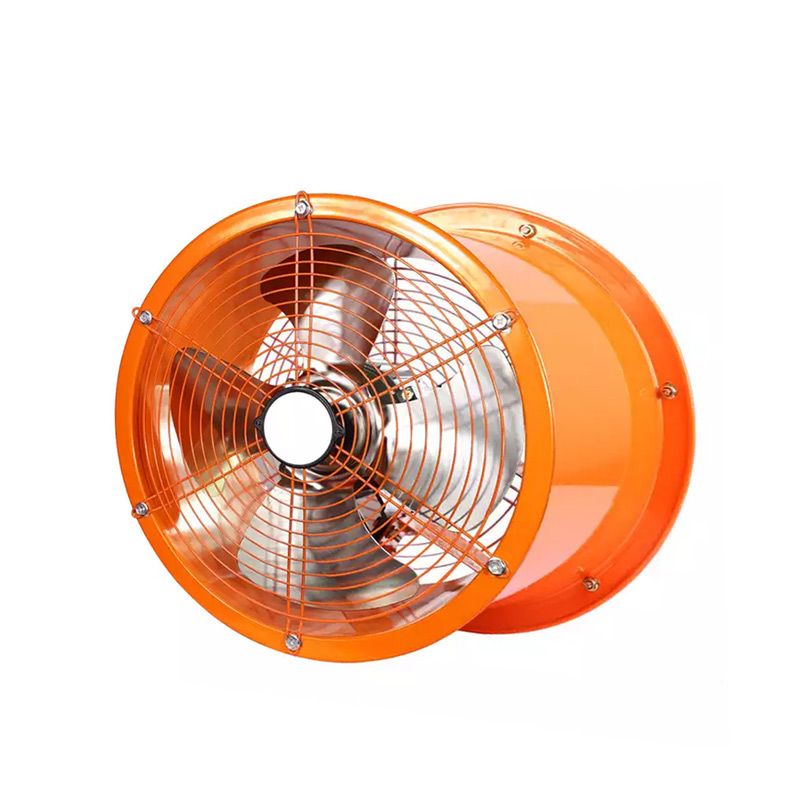
Before beginning the installation process, it is important to gather all necessary tools and materials. This includes the inline duct fan, duct tape, screws, a screwdriver, a drill, wire cutters, and a voltage tester. Additionally, ensure that you have access to the installation manual provided by the manufacturer, as it will contain specific instructions and safety precautions.
Safety is a top priority when installing an inline duct fan. Make sure to turn off the power to the HVAC system at the circuit breaker before beginning any work. This will prevent electrical shock and ensure a safe working environment. Additionally, wear protective gear such as gloves and safety glasses to protect yourself from sharp edges and debris.
The first step in the installation process is to determine the best location for the inline duct fan. Ideally, the fan should be installed at a point in the ductwork where it can effectively boost airflow to the desired areas. Consider factors such as accessibility for maintenance and the proximity to power sources when selecting the installation location.
Once the installation location has been determined, use a utility knife or tin snips to cut a section of the ductwork where the fan will be installed. The cut should be slightly larger than the diameter of the fan to allow for easy insertion. Be sure to wear gloves and safety glasses during this step to protect yourself from sharp edges.
Insert the inline duct fan into the cut section of the ductwork, ensuring that the airflow direction is correct. The fan should be oriented so that it pushes air in the desired direction. Secure the fan in place using the mounting brackets and screws provided by the manufacturer. Use a drill to create pilot holes if necessary.
After the fan is securely installed, use duct tape or mastic sealant to seal any gaps between the fan and the ductwork. This will prevent air leaks and ensure that the fan operates efficiently. Be sure to cover all seams and joints to create an airtight seal.
Wiring the inline duct fan is a critical step in the installation process. It is important to follow the manufacturer's instructions carefully to ensure that the fan is wired correctly and safely. Use a voltage tester to verify that the power is off before beginning any wiring work.
Begin by connecting the fan's wires to the corresponding wires in the electrical box. Typically, the fan will have a black wire (hot), a white wire (neutral), and a green or bare wire (ground). Use wire nuts to secure the connections and wrap them with electrical tape for added safety. Once the wiring is complete, carefully tuck the wires into the electrical box and replace the cover.
After the installation and wiring are complete, it is important to test the inline duct fan to ensure that it is operating correctly. Turn the power back on at the circuit breaker and use a voltage tester to verify that the fan is receiving power. Turn on the fan and listen for any unusual noises that may indicate a problem.
Check the airflow at the vents to ensure that the fan is boosting the airflow as expected. If necessary, make adjustments to the fan's position or the ductwork to improve performance. Once you are satisfied with the fan's operation, secure any loose wires or components and clean up the work area.
Installing an inline duct fan installation is a valuable investment in improving the ventilation and air quality of your space. By following the steps outlined in this guide, you can ensure a successful installation that enhances the efficiency of your HVAC system. Remember to prioritize safety throughout the process and consult the manufacturer's instructions for specific guidance. With proper installation and maintenance, your inline duct fan will provide reliable performance for years to come.


