- All
- Product Name
- Product Keyword
- Product Model
- Product Summary
- Product Description
- Multi Field Search
English
Views: 0 Author: Site Editor Publish Time: 2025-10-13 Origin: Site
Inline duct fans work well in big areas and long ducts. They move a lot of air and make less noise than exhaust fans.
Exhaust fans are good for small spaces. They get rid of old air, wetness, and smells fast. This makes them great for bathrooms and kitchens.
When picking a fan, think about how much air it moves, how loud it is, and how you install it. Choose the right fan for your room to get the best results.
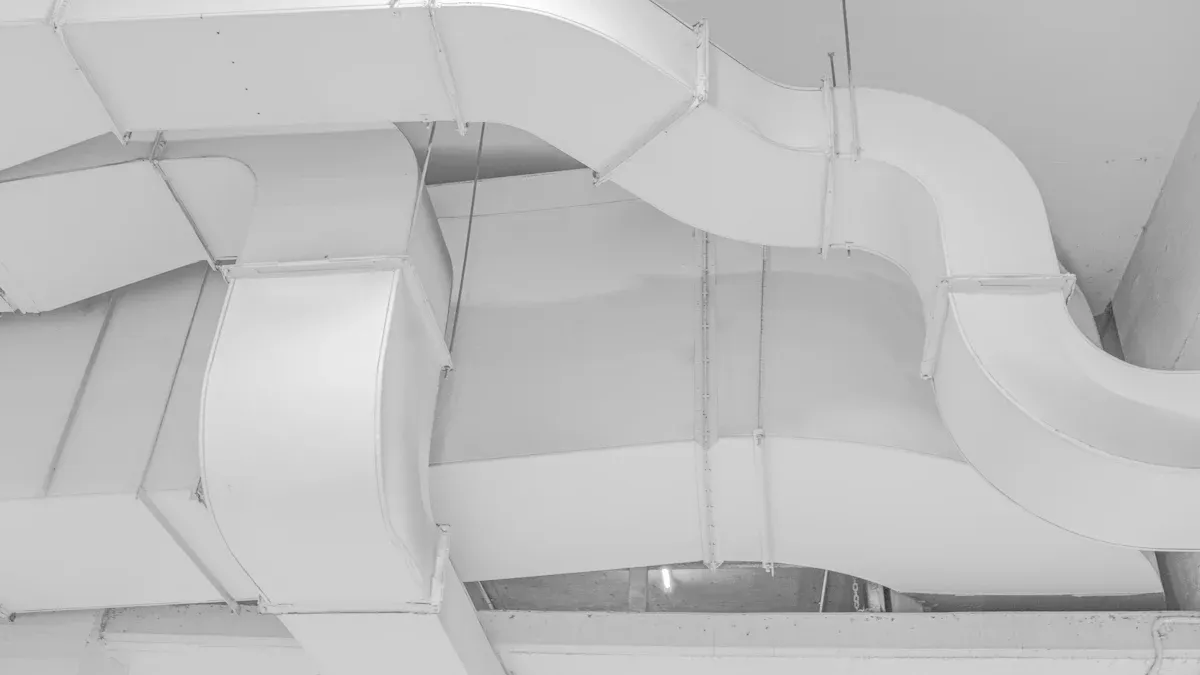
An Inline Duct Fan goes inside the duct, not on a wall or at the end. This fan is placed close to vents that are far from the main air system. It pulls air through the ducts so every room gets the same airflow. You can use it to bring in air or push air out, based on what you need. Many brands, like Qinxin, make these fans with special motors and impellers for better performance.
Tip: Inline Duct Fans are great for long ducts where normal fans cannot move enough air.
Here is a simple chart that shows how Inline Duct Fans are different from other duct fans:
Feature | Inline Duct Fans | Duct Fan Boosters |
|---|---|---|
Airflow Capacity | Up to 1500 CFM | Up to 800 CFM |
Motor Type | EC Motors | AC Motors |
Impeller Design | Mixed flow impeller | Simpler impeller design |
Power Consumption | 255W | 96W |
Noise Level | Quieter | Louder |
Inline Duct Fans work in many places. Here are some examples:
Ventilating buildings
Garages that are closed in
Paint spray booths
Restaurant and kitchen exhaust
Old buildings with small roofs
Bathroom exhaust
Computer rooms
Hot tub or sauna exhaust
Hair and nail salons
Inline Duct Fans also help remove heat, smoke, and moisture in homes and businesses.
Pros:
Saves energy and lowers your bills
Fits inside ducts, so it saves space
Makes air cleaner and helps stop mold
Runs quietly, so it is good for quiet places
Cons:
Needs a pro to install it
Costs more at first than regular fans
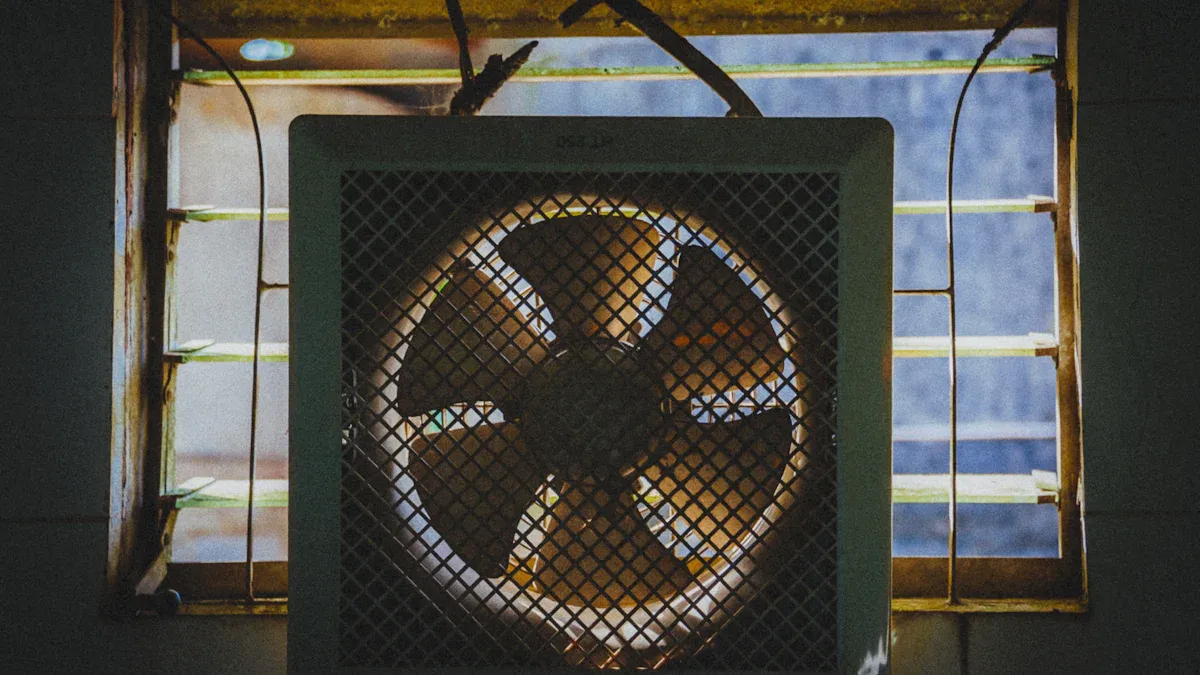
Exhaust fans take out old air, wetness, and bad smells. You put these fans on the wall or ceiling. When you turn one on, the blades start to spin fast. This spinning makes a pressure change in the room. The fan pulls air out and sends it outside through a vent. New air can come in, so the room feels fresh and nice. Qinxin exhaust fans are often used in kitchens and bathrooms. They work well in small rooms with little space.
Note: Exhaust fans help make the air inside better by taking away smells and wetness.
Here is a table that shows how exhaust fans are different from inline duct fans:
Feature | Exhaust Fans | Inline Duct Fans |
|---|---|---|
Installation Location | Mounted on walls or ceilings | Installed within the duct system |
Noise Levels | Generally higher noise levels | Designed for lower noise levels |
Airflow Capabilities | Suitable for specific applications | Handles larger volumes of air |
Specific Applications | Commonly used in kitchens and bathrooms | Versatile for various ventilation needs |
Exhaust fans can be used in many places. Here are some ways people use them:
They stop mold and mildew in bathrooms by removing wetness.
They get rid of bad smells in public restrooms.
They help save energy when you fix up your home.
They can work with smart home systems for easy control.
They help meet rules for good airflow in buildings.
Exhaust fans are also good for laundry rooms, garages, and small offices.
Pros:
They make the air better by taking out wetness, smoke, and smells.
They help keep the room comfy by moving air around.
They use less energy than air conditioning.
They help lower the chance of dangerous gases like carbon monoxide.
Cons:
These fans can be louder than other fans.
You have to clean and check them often.
Putting them in can cost more money.
Open grilles might let bugs in and make the room less safe.
Tip: Always turn off the power before you clean your exhaust fan. Clean and check the filter often to keep your fan working well.
When you compare airflow, you see that an Inline Duct Fan moves air much farther than a standard exhaust fan. Inline Duct Fans work inside the ductwork, so they push or pull air through long ducts and around corners. This makes them perfect for large spaces or buildings with complex air systems. You get strong airflow even when the ducts are long or have many bends.
Exhaust fans, on the other hand, work best in small rooms. They remove air directly from a space, like a bathroom or kitchen, and send it outside. If you try to use an exhaust fan for a long duct run, it will struggle. The airflow drops, and the fan cannot keep up with the pressure.
Fan Type | Airflow Capability | Static Pressure Capability |
|---|---|---|
Inline Duct Fan | High; designed for long ducts and high resistance | Handles high static pressure |
Exhaust Fan | Lower; best for short, direct air removal | Limited; not for long duct runs |
Tip: If you need to move air over a long distance or through several rooms, choose an Inline Duct Fan. For a single room, an exhaust fan is usually enough.
You install an Inline Duct Fan inside the ductwork. This means you can hide it above ceilings or behind walls. You place it where airflow drops, like far from the main vent or in the middle of a long duct. This setup helps you get even air in every room.
Exhaust fans go on walls or ceilings. You see them in bathrooms, kitchens, or laundry rooms. They pull air straight out of the room and send it outside. You need a vent to the outdoors for these fans to work.
Here is a quick guide to installation:
Inline Duct Fan:
Disconnect power before starting.
Insert the fan into the duct.
Secure it with screws or zip ties.
Reconnect power and test the fan.
Exhaust Fan:
Find the best spot on the wall or ceiling.
Cut an opening for the fan.
Attach the fan and connect it to a vent.
Make sure the vent leads outside.
Note: Inline Duct Fans, like those from Qinxin, are often used in grow rooms, industrial spaces, and large homes because they fit inside ducts and boost airflow where you need it most.
Noise matters when you pick a fan. Inline Duct Fans are usually quieter than exhaust fans, especially when you run them at lower speeds. You can place them farther from living spaces, so you hear less noise. The type of motor and bearings also affects how much sound you hear. For example, sleeve bearing fans tend to be quieter.
Exhaust fans can be louder, especially if you mount them on thin walls or ceilings. The sound travels into the room, which can be distracting in quiet spaces.
When you look at efficiency, Inline Duct Fans often use advanced motors, like EC motors, which save energy and keep airflow strong even when ducts are long. These fans keep working well even if the air has to move through filters or bends. Exhaust fans work best in simple setups with short ducts.
Inline Duct Fans:
Quieter operation, especially at low speeds
High efficiency with modern EC motors
Great for continuous use in large or complex systems
Exhaust Fans:
Can be noisier in small rooms
Best for short, direct ventilation
Simple to use for quick air removal
If you want a quiet, energy-saving solution for a big space or a long duct, an Inline Duct Fan is your best choice. For quick air removal in a small room, an exhaust fan works well.
Selecting the right fan for your space depends on several important factors. You want to make sure the fan matches your room size and meets your needs for airflow and noise. Here is a simple guide to help you decide:
Airflow Capacity (CFM): Calculate the size of your room. Choose a fan that can exchange the air at least eight times per hour. For example, a large kitchen or commercial space needs a higher CFM than a small bathroom.
Duct Size and Static Pressure: Check your duct size. Pick a fan that fits and can handle the resistance in your system. This helps keep airflow strong.
Noise Level: Look for fans labeled as "low noise" or "quiet." This is important for bedrooms, offices, or any place where you want peace and quiet.
Controls and Features: Some fans come with timers or sensors. These features help you manage when the fan runs and save energy.
Maintenance: Clean your fan regularly. This stops dirt and mold from building up and keeps the air fresh.
Placement: Put the fan in the best spot for airflow. For kitchens, place it near the stove. For bathrooms, install it near the shower or tub.
Tip: Qinxin fans offer models with quiet operation and smart controls, making them a good choice for homes and businesses.
When you choose between an Inline Duct Fan and an exhaust fan, you need to think about your room type, size, and how you plan to use the fan. Here are some points to help you decide:
Inline Duct Fan:
Works best for large spaces or rooms with long ducts.
Moves air over long distances and through bends.
Fits inside ductwork, so you save space and reduce noise.
Great for grow rooms, server rooms, or any area with complex ventilation needs.
Qinxin Inline Duct Fans use advanced motors for quiet and efficient airflow.
Exhaust Fan:
Ideal for small rooms like bathrooms, laundry rooms, or kitchens.
Removes stale air, moisture, and odors quickly.
Mounts on walls or ceilings for direct air removal.
Simple to install and maintain.
Here is a table to compare costs for different fan types:
Fan Type | Cost Range for Materials |
|---|---|
Inline Duct Booster Fan | $30–$280 |
Register Duct Booster Fan | $40–$90 |
Professional installation may cost $100 to $250 per hour.
You might pay more if you need to change ductwork or add new wiring.
If you install an attic exhaust fan, you can save up to 10–15% on cooling costs during hot months. This makes exhaust fans a smart choice for energy savings in some cases.
When you pick a fan, always check these factors:
Airflow volume (CFM)
Noise level (sones or dB)
Power and energy efficiency
Placement and installation needs
Maintenance and cleaning
Note: Simply choosing a fan based on size or power does not guarantee good results. You need to match the fan to your room and application for the best performance.
If you want to ventilate a large area or need to move air through long ducts, choose an Inline Duct Fan. For quick air removal in a small space, an exhaust fan works well. Always consider your budget, installation needs, and how much maintenance you want to do.
You can spot big differences between inline duct fans and exhaust fans. Inline duct fans, like Qinxin models, go inside ducts and are quiet. Exhaust fans are put on walls or ceilings and can be louder. Look at this table before picking a fan:
Feature | Inline Duct Fans | Exhaust Fans |
|---|---|---|
Installation Location | Inside ducts | Walls or ceilings |
Noise Level | Quieter | Can be noisier |
Energy Efficiency | More efficient | Varies |
Aesthetic Impact | Hidden | Visible |
Installation Complexity | Easy, pro recommended | May be complex |
Duct Size Compatibility | Must match ducts | Less dependent |
Keep these things in mind:
Airflow: Inline fans are good for simple ducts.
Noise: Centrifugal fans make less noise.
Efficiency: Inline fans use less energy in medium spaces.
Cost: Inline fans are cheaper and simple to put in.
Tip: Always pick a fan that fits your room size and layout for the best results.
You should measure your room size. Check airflow needs. Qinxin offers guides to help you pick the right fan for your space.
You can install it if you have basic tools. For best results, ask a professional. Qinxin recommends safe installation for all fans.
Inline duct fans often use advanced motors. You save energy in large spaces. Qinxin fans focus on efficient airflow and lower power use.